
Why bleach should never be mixed with other household cleaners
Use bleach only as its label directs, with ventilation—and never combine it with ammonia, acids or another cleaner.
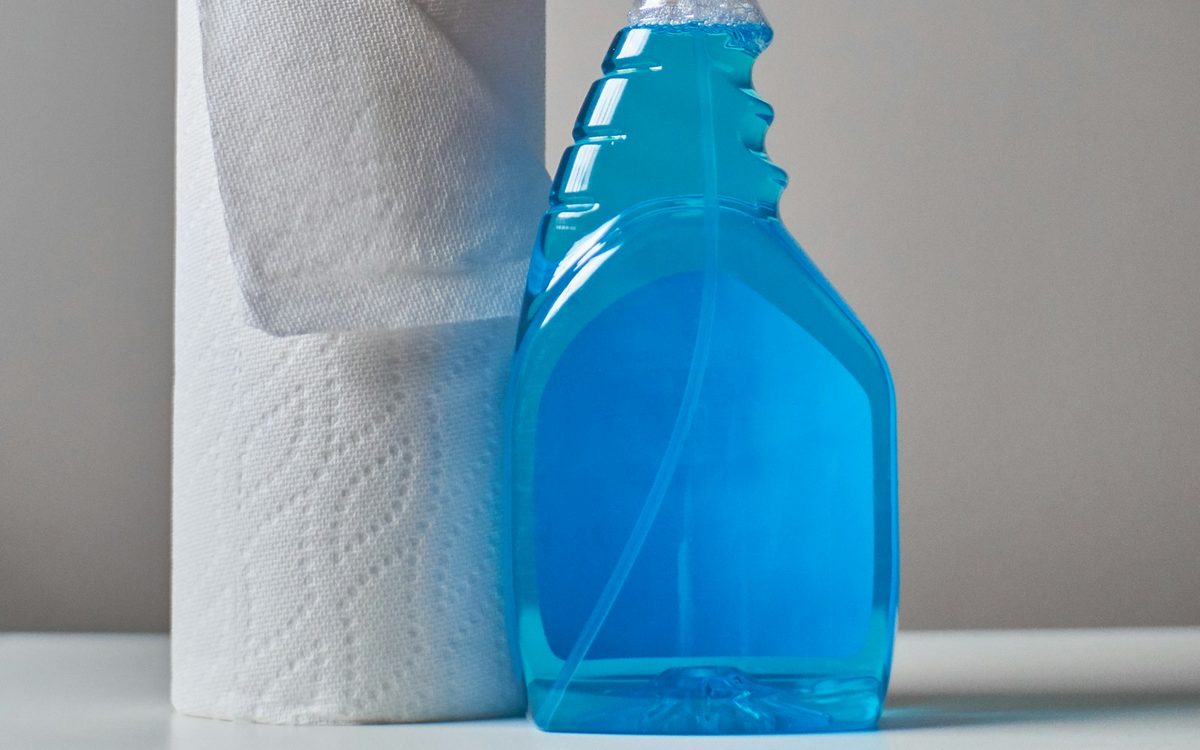
Never mix household bleach with another cleaner. That includes ammonia products, acids such as vinegar, and mixtures whose ingredients you have not checked. The CDC’s bleach guidance says never to mix household bleach—or any disinfectant—with any other cleaners or disinfectants because dangerous vapors can result (CDC).
The dangerous combinations are not always obvious
Bleach can react with ammonia to form toxic chloramine gases. Acids can release chlorine gas from hypochlorite bleach. Ammonia may appear in glass or multi-surface cleaners; acids may appear in toilet-bowl, rust, lime or descaling products. A brand name or fragrance does not reveal the chemistry.
Read the active ingredients, warnings and first-aid section. If you cannot determine what remains on a surface or in a bucket, rinse as the product label directs and stop rather than layering another chemical on top.
Cleaning and disinfecting are different jobs
Cleaning removes dirt and organic material. Disinfecting uses a registered product under specific conditions to reduce germs. Many routine household surfaces need cleaning, not bleach disinfection. Soap or detergent and water may be the appropriate first step.
When disinfection is needed, use a product suitable for the surface and target. Follow its stated dilution, contact time, ventilation, protective-equipment and rinsing instructions. More concentrated is not automatically more effective and can increase damage or exposure.
If the label permits a diluted bleach solution
Use regular unscented household bleach only when its concentration and label support the task. Make the amount you need, use room-temperature water if directed, label the temporary container and keep it away from children and pets. Do not store a homemade mixture in a drink bottle or an unlabeled sprayer.
Open windows and doors where possible. Wear the protection specified on the label and avoid breathing mist. Never apply bleach to your skin or food.
If cleaners were mixed and fumes appear
Leave the area and get to fresh air without lingering to investigate. Do not add another chemical to “neutralize” the mixture. The CDC’s chlorine emergency guidance advises moving away from the area and, when exposure is indoors, getting out of the building. Call emergency services for severe breathing trouble, collapse or other immediate danger.
In the United States, Poison Control is available at 1-800-222-1222 and poison.org. Elsewhere, contact the local poison center or emergency service. Follow professional instructions before re-entering or cleaning the spill.
The safe default
Use one product for one defined task. Read the label each time, provide ventilation, keep products in their original containers and rinse tools before they are used with something else. A cleaning routine should remove a hazard—not create an invisible one.